History often surprises us with bizarre tales of events that defy logic and reason. One such improbable incident took place during the Battle of Karánsebes in 1788, when Austrian soldiers, in a state of intoxication, mistakenly attacked their own ranks. This comical turn of events not only led to chaos and defeat but also stands as a grim reminder of how miscommunication and poor decision-making can have dire consequences, even in the midst of war.

Setting the Stage:
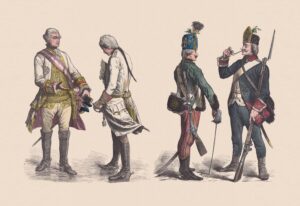
In the late 18th century, the Austrian Empire was engaged in a struggle against the Ottoman Empire for control over southeastern Europe. During this tumultuous time, both armies frequently clashed on the battlefield. In the case of the Battle of Karánsebes, the Austrians were gathering forces to mount an assault on the Ottoman stronghold of Belgrade.
The Absurd Chain of Events:
While crossing the Timiş River, the Austrian army set up camp near the village of Karánsebes. Determined to secure their victory, and eager to calm their nerves, the soldiers indulged in a night of drunken revelry. However, this celebration would soon turn their fortunes upside down.
As the night wore on, a group of soldiers stumbled upon a local Turkish-speaking Roma band passing through the area. Misunderstanding their language, the Austrians believed the Roma bandits to be Ottoman soldiers. Chaos ensued as the Austrians demanded the non-existent translator to communicate with the “captured” enemy. Unable to comply, the Austrians accused the Roma of treachery.
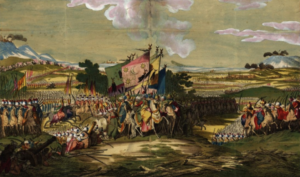
In the ensuing fracas, shots were fired, and panic rippled through the camp. The intoxicated soldiers, terrified and convinced that the Turkish army was upon them, began to attack anyone in their line of sight, including their own comrades. The chaos spread like wildfire, and the battleground quickly transformed into a free-for-all.
Consequences of Mayhem:
By the time the Austrian commanders managed to regain control and restore order, it was too late. Over 10,000 soldiers had lost their lives or suffered severe injuries in the friendly fire. The disheartened Austrian army was forced to retreat, giving the Ottomans a significant advantage in the area.
Lesson Learned:
The Battle of Karánsebes painted a vivid picture of how impulsive actions, fueled by intoxication and misunderstandings, can lead to disastrous outcomes on the battlefield. The lack of effective communication, coupled with a disregard for restraint and clear decision-making, resulted in a devastating defeat for the Austrian Empire.
The battle serves as a stark reminder that regardless of training and discipline, human error and lapses in judgment can have catastrophic consequences even in the midst of war. It highlights the importance of effective communication channels, proper leadership, and disciplined decision-making in military operations.
Conclusion:
Though the Battle of Karánsebes stands as an absurd and darkly comical footnote in military history, it also serves as a sobering reminder of the fragility of human judgment. The events that unfolded on that fateful night in 1788 resulted in the unnecessary loss of countless lives and an embarrassing defeat for the Austrian army. We can only hope that lessons learned from such incidents steer us towards wiser choices, promoting peace and preventing future absurdities on the battlefield.