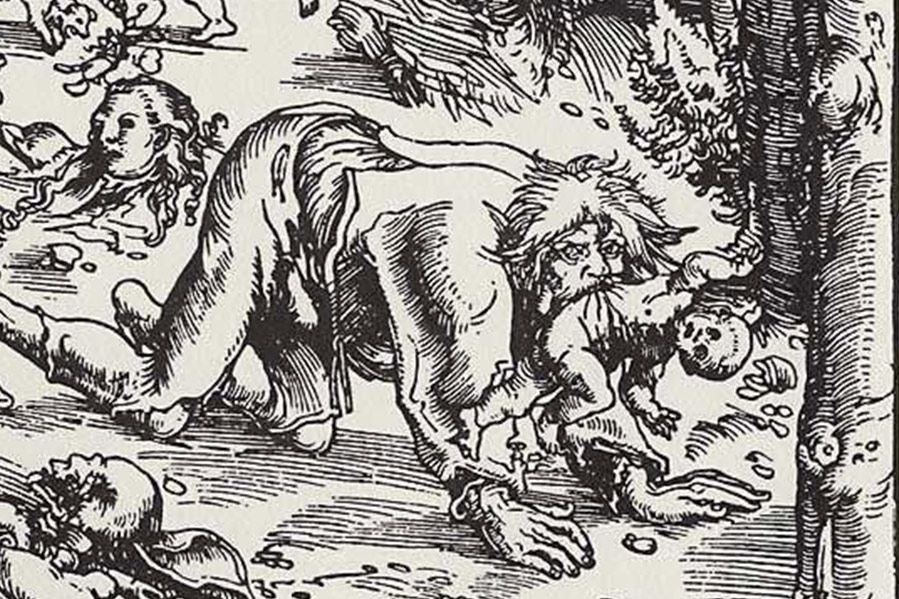
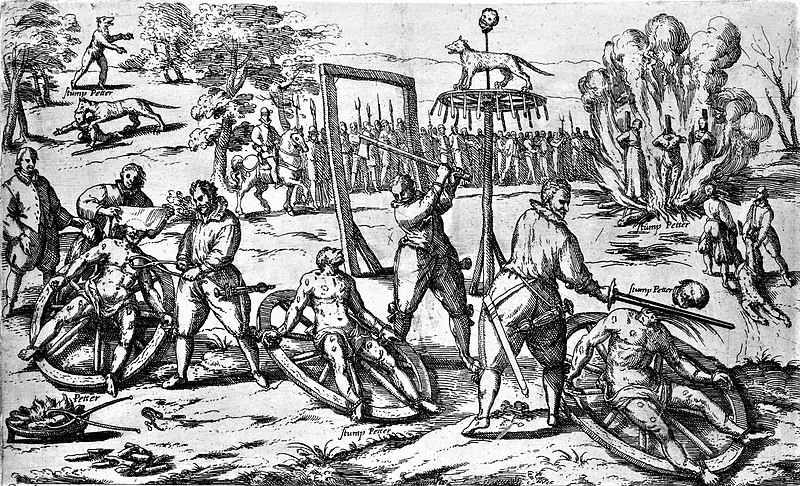
Beyond witch trials, medieval Europe also witnessed an intriguing phenomenon—the werewolf trials. These bizarre legal proceedings sought to prosecute individuals believed to have transformed into wolves. Here’s a glimpse into this lesser-known aspect of medieval history.
- The Accused: Men and women accused of lycanthropy faced charges of witchcraft and heresy. They were suspected of using magic or demonic pacts to transform into wolves and commit heinous acts.
- Shapeshifting Beliefs: The werewolf trials stemmed from widespread folklore and superstitions about shape-shifting creatures. Many believed that certain individuals possessed the ability to transform into wolves under the influence of a full moon.
- Trials and Torture: Similar to witch trials, suspected werewolves endured harsh interrogations and torture to extract confessions. Testimonies often included accounts of wolf transformations, participation in occult rituals, and cannibalism.
- Historical Context: Werewolf trials peaked in the 15th and 16th centuries, coinciding with the wider witch-hunt fervor of the time. The trials reflected the anxieties and fears of a society grappling with the unknown and supernatural.
- Decline and Legacy: Over time, the hysteria surrounding werewolves waned, and the trials lost their popularity. Today, they serve as a peculiar reminder of the intersection between folklore, superstition, and the legal system in medieval Europe.
The werewolf trials, though largely forgotten, offer an intriguing glimpse into the complexities of medieval belief systems and the lengths to which societies would go to uncover the truth, or what they perceived as the truth.