


In the vast expanse of history, there have been several intriguing phenomena that continue to amaze and bewilder us. One such enigmatic event that swept through medieval Europe was the “Dancing Mania.” This phenomenon saw large groups of people engaged in uncontrollable dancing for extended periods, often resulting in exhaustion, injury, and even death. In this article, we delve into the historical context, causes, symptoms, and potential explanations behind this fascinating yet perplexing occurrence that gripped the people of medieval Europe.
Historical Context
The dancing mania primarily occurred between the 14th and 17th centuries, primarily in Germany, Belgium, France, and other regions within Europe. These episodes often appeared during times of social unrest, famine, or disease outbreaks, such as the Black Death. Underlying political and social tensions also contributed to the manifestation of this unusual phenomenon.
Manifestations and Symptoms
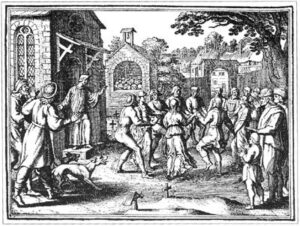
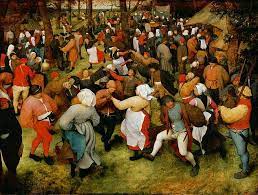
During outbreaks of the dancing mania, large groups of people, often numbering in the hundreds or even thousands, would compulsively start dancing without any apparent cause. The affected individuals would form massive, collective dances in the streets, marketplaces, or even churches, often accompanied by musicians. Some dancing manias were localized, while others spread across entire regions, leading to significant social disruption.
The participants of the dancing mania exhibited a wide range of symptoms. They danced erratically, exhibiting convulsions, screaming, and jumping uncontrollably. This bizarre and frenzied display would continue for extended periods, sometimes days or even weeks, with participants neglecting basic needs such as food and rest. The relentless dancing would eventually lead to exhaustion, injuries, and reports of fatalities.
Causes and Explanations
1. Mass Psychogenic Illness: One theory suggests that the dancing mania was a form of mass psychogenic illness, also known as mass hysteria or collective obsessional behavior. The underlying stressors of societal unrest, poverty, and disease could have triggered a psychological response, resulting in the contagious manifestation of the symptoms.
2. Religious and Cultural Beliefs: Medieval Europe was deeply ingrained in religious beliefs, and some accounts connect the dancing mania to religious fervor. The dance outbreaks were often linked to religious festivals, such as the Feast of St. John, and the participants were believed to be possessed by either Saint Vitus or a divine spirit.
3. Biochemical Factors: Some researchers have explored the possibility of biochemical factors contributing to the dancing mania. Certain fungal toxins present in contaminated rye, such as ergotism, can induce hallucinations, convulsions, and involuntary muscle movements. Consumption of such toxic substances might have played a role in triggering the uncontrollable dancing.
4. Social and Cultural Factors: Struggling with poverty, famine, and regular epidemics, medieval Europe faced immense social challenges. Dancing mania outbreaks can be viewed within the context of escapism from a harsh reality. Dancing offered participants temporary relief from their troubles, uniting communities in a shared physical and emotional release.
Conclusion
The dancing mania stands as a peculiar and captivating historical phenomenon that captured the attention, and sometimes the lives, of medieval Europeans. While the exact cause remains elusive, the dancing mania was likely a complex interplay of psychological, religious, cultural, and environmental factors. The outbreaks highlighted the vulnerabilities and anxieties of a society facing numerous challenges. This intriguing historical episode reminds us of the mysterious and intricate nature of human behavior and serves as a testament to the powerful influence of collective experiences on the human psyche.