

In the annals of history, there are conflicts that leave us puzzled, even dumbfounded. One such curiosity is the War of Jenkins’ Ear. Unfolding in the 18th century, this peculiar conflict between Britain and Spain was supposedly triggered by the severing of a British sea captain’s ear. Join us as we delve into this obscure historical event, uncovering the underlying motivations, political tensions, and consequences that led to this unusual war.





1. Setting the Stage: Maritime Tensions in the 18th Century
– In the 1700s, Britain and Spain were empires vying for control over key strategic territories and resources.
– Maritime trade routes, smuggling, and piracy became critical issues in a time when naval dominance was paramount.
– As tensions escalated, numerous incidents further strained relations between the two nations.
2. Enter Captain Robert Jenkins: The Inciting Incident
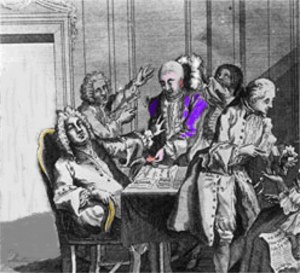
– In 1731, the British ship Rebecca, captained by Robert Jenkins, was allegedly boarded by Spanish privateers.
– In a shocking act of brutality, Captain Jenkins’ ear was severed, which he later presented as proof to the British Parliament.
– This incident became sensationalized, capturing public attention and fueling anti-Spanish sentiments in Britain.
3. Accumulating Tensions: Political Factors and Territorial Disputes
– Beyond the gruesome incident, underlying political and territorial disputes between Britain and Spain added fuel to the fire.
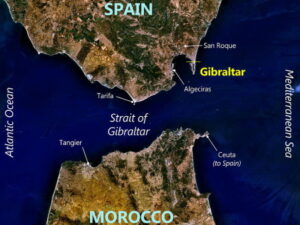
– Spain’s control over strategic territories such as Gibraltar and the Caribbean region posed a threat to British interests.
– The Asiento agreement, granting Britain the lucrative slave trade monopoly in Spanish territories, further complicated matters.



4. The War Unfolds: Prelude and Conflict
– In 1739, Britain declared war on Spain, seeking retribution for the severing of Jenkins’ ear and other grievances.
– The initial conflict focused on attacking Spanish possessions in the Caribbean and the capture of Spanish ships.
– However, the war truly escalated when Britain’s interests collided with Spain’s ally, France, resulting in a larger European conflict known as the War of the Austrian Succession.
5. The War’s Aftermath: Importance and Resolutions
– Although the War of Jenkins’ Ear officially ended in 1742, the underlying tensions remained unresolved.
– Importantly, the war brought forth powerful narratives of British patriotism, raising nationalistic sentiment within Britain.
– The conflict also highlighted the importance of naval power and solidified Britain’s position as a dominant maritime force.
Conclusion:
The tale of the War of Jenkins’ Ear captivates us with its oddity, shedding light on the complexities of international relations and the power dynamics of the 18th century. While Captain Jenkins’ severed ear served as a symbol to uphold British honor, this historical conflict delved beyond a simple, sensationalized incident. It unraveled the strategic ambitions, political interests, and territorial disputes that ultimately propelled Britain and Spain towards war. The War of Jenkins’ Ear stands testament to the intricacies of history and the profound impact even the most bizarre events can have on shaping the world.