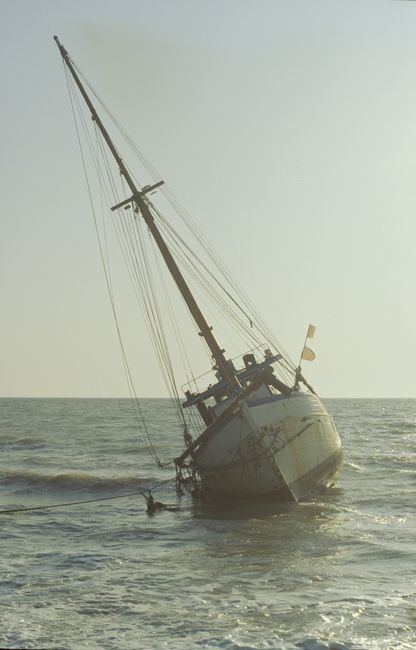
Imagine finding a perfectly seaworthy ship, sails set, cargo intact, but utterly empty. No crew, no captain, just the silent ocean. That’s the chilling reality of the Mary Celeste.
On December 5, 1872, the brigantine was discovered adrift in the Atlantic by the Dei Gratia. Not a soul was aboard. The ship was in remarkably good order: cargo of industrial alcohol undisturbed, a partially eaten meal in the galley, captain’s log up to date. Yet, the lifeboat was missing, along with the chronometer and sextant, critical navigational tools.
What happened? Theories abound: mutiny, piracy (unlikely, as valuable cargo remained), sea monsters, a sudden waterspout, or even a panicking crew abandoning ship due to fear of the alcohol cargo exploding. Every explanation has its holes; no sign of struggle, no distress signals.
Over 150 years later, the truth remains a haunting enigma. The Mary Celeste sails on as a potent symbol of the sea’s enduring, unfathomable power.