Greenland, the largest island in the world, harbors a captivating historical mystery – the vanishing of the Norse Greenland colony in the 15th century. This enigmatic event continues to intrigue historians and researchers, as the exact reason behind the colony’s demise remains elusive. In this article, we will delve into the factors that may have contributed to the disappearance of the Norse Greenland colony, shedding light on this puzzling historical phenomenon.
1. The Norse Greenland Colony:
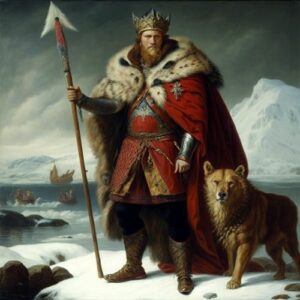
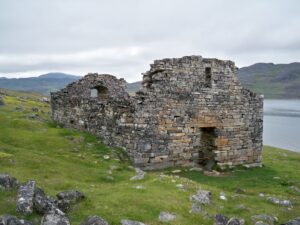
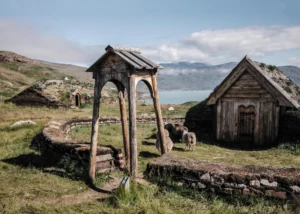
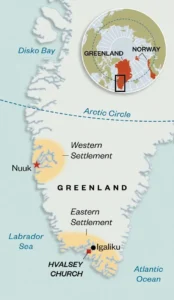
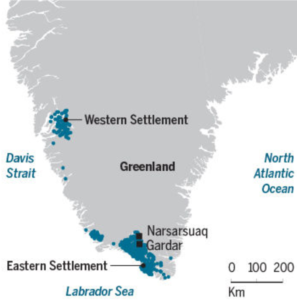
The Norse Greenland colony was established by Viking explorer Erik the Red around the end of the 10th century. It flourished for several centuries before eventually vanishing around the 15th century. The colony consisted of approximately 2,500 Norse settlers who built prosperous farming communities along Greenland’s southwestern coast.
2. Climatic Changes:
One major factor that may have played a pivotal role in the colony’s disappearance is the changing climate. During the “Medieval Warm Period” (900-1300 AD), Greenland experienced relatively mild temperatures, allowing the Norse settlers to cultivate crops and raise livestock. However, this period was followed by the “Little Ice Age” (1300-1850 AD), characterized by colder temperatures and shorter growing seasons. The drastic shift likely resulted in agricultural decline, reduced food production, and ultimately, the collapse of the colony.
3. Economic Struggles:
The Norse Greenlanders heavily relied on trade with Europe, primarily with Norway. However, as European attention shifted towards developing trade routes and exploring new territories, Greenland gradually lost its importance as a trade hub. This decline in economic activity may have hampered the colonists’ ability to sustain themselves, exacerbating the challenges stemming from climatic changes.
4. Cultural Isolation:
The Norse Greenlanders faced isolation from the rest of the Viking society, with little contact or support from their European counterparts. This cultural detachment could have contributed to a lack of external assistance during times of crisis, such as crop failures or hostile encounters with hostile indigenous peoples.
5. Resource Exhaustion:
Over time, the Norse settlers exhausted many of Greenland’s natural resources, including timber for construction, iron ore, and fertile soil for farming. These diminishing resources likely put a strain on their ability to sustain a thriving community, making them vulnerable when faced with unfavorable climatic conditions.
6. Inuit Interaction:
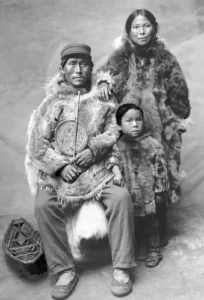
The Norse Greenlanders encountered indigenous Inuit tribes upon their arrival. While early relationships between the two groups were generally peaceful, competition for scarce resources, cultural differences, and potential conflicts may have strained their interactions. This hostility could have further strained the Norse Greenlanders’ already precarious situation.
Conclusion:
The disappearance of the Norse Greenland colony remains a historical enigma that continues to capture the imagination. Multiple factors, such as shifting climate patterns, economic decline, cultural isolation, resource exhaustion, and indigenous conflicts, likely contributed to the colony’s ultimate demise. By examining these factors, we can gain a deeper understanding of the challenges faced by the Norse Greenlanders and gain insight into the complexities of sustaining a successful colony in unforgiving environments. The story of the Lost Colony of Greenland serves as a powerful reminder of the delicate balance between human civilization, the environment, and the importance of adapting to changing circumstances.