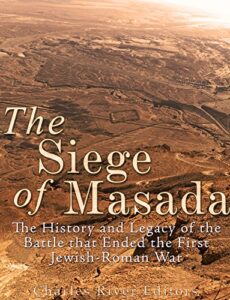
The Siege of Masada stands as a tragic yet captivating event in ancient history. It vividly showcases the fierce clash between the powerful Roman Empire and the defiant Jewish defenders on the isolated fortress of Masada. This article provides an in-depth exploration of the historical siege, the events that unfolded, and the culminating mass suicide of the defenders, shedding light on the motivations, significance, and lasting impact of this poignant chapter.
The Background:
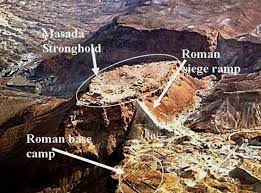
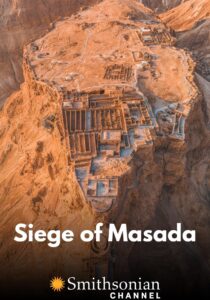
The fortress of Masada, located atop a mountain in modern-day Israel, served as a symbol of Jewish resistance against Roman rule during the Great Jewish Revolt. Following the fall of Jerusalem in AD 70, a group of Jewish rebels, led by the zealot Eleazar ben Ya’ir, sought refuge in this impregnable stronghold.
The Seige Begins:
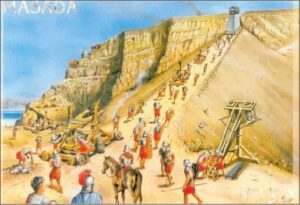
In AD 73, the Roman army, led by the experienced general Flavius Silva, laid siege to Masada. The Romans surrounded the fortress, constructing an elaborate siege ramp to breach its formidable defenses. Meanwhile, the Jewish defenders prepared to face the impending assault, understanding the grave consequences of capture.
The Defense of Masada:
The defenders of Masada, numbering approximately 960 individuals including men, women, and children, were resolved to resist Roman rule and preserve their freedom. As skilled fighters and resourceful survivors, they held strong against the Roman onslaught for months, relying on their extensive water and food storage, as well as the unique natural fortifications of the mountain.
The Roman Assault:
Despite multiple attempts, the Romans struggled to breach the fortress walls, leading to lengthened siege efforts. Over time, Flavius Silva devised new strategies, including the construction of a massive ramp that enabled the Roman legions to breach the defenses finally. Faced with the imminent fall of their stronghold, the Jews confronted a difficult decision in their fight for freedom.
The Mass Suicide:
In this desperate situation, Eleazar ben Ya’ir called for a harrowing choice: rather than surrendering to the Roman forces, the Jewish defenders would take their own lives. According to the historian Josephus Flavius, only two surviving women and five children were found when the Romans entered the fortress. The defenders had intentionally ended their lives rather than submitting to Roman subjugation.
The Legacy of Masada:
The siege of Masada left an indelible mark on ancient history, representing both the Roman Empire’s military prowess and the Jewish longing for independence. Though the siege ended in defeat for the Jewish defenders, their refusal to surrender became an enduring symbol of resistance and determination. Over the centuries, stories of Masada’s heroism have inspired countless individuals, reinforcing the inherent human desire for freedom.
Conclusion:
The siege of Masada remains a poignant and tragic event, highlighting the resilience and courage of the Jewish defenders against the mighty Roman Empire. Their ultimate act of mass suicide serves as a testament to the lengths people are willing to go to avoid subjugation and maintain their freedom. The story of Masada continues to captivate historians and enthusiasts alike, echoing lessons of bravery, sacrifice, and the importance of historical remembrance.