Did You Know? History

Unveiling the Mystery of Medieval Alchemy

Medieval Europe was a hotbed of alchemical experimentation, where scholars sought the philosopher’s stone, a mythical substance believed to transmute base metals into gold and grant eternal life. Here are some insights into the enigmatic world of medieval alchemy.

  1. Origins and Influences: Alchemy had roots in ancient Egypt, Greece, and the Islamic world. Medieval European alchemists drew upon these traditions, blending them with Christian symbolism and esoteric knowledge.
  2. Goals and Symbolism: Alchemists pursued both spiritual and material goals. Alongside the transmutation of metals, they aimed to achieve spiritual purification and transcendence. Symbolism played a crucial role in their writings and experiments.
  3. Experimental Practices: Alchemists conducted intricate laboratory experiments, involving distillation, sublimation, and the use of various apparatus. These practices often yielded valuable discoveries in the fields of chemistry and medicine.
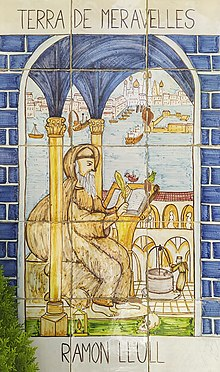
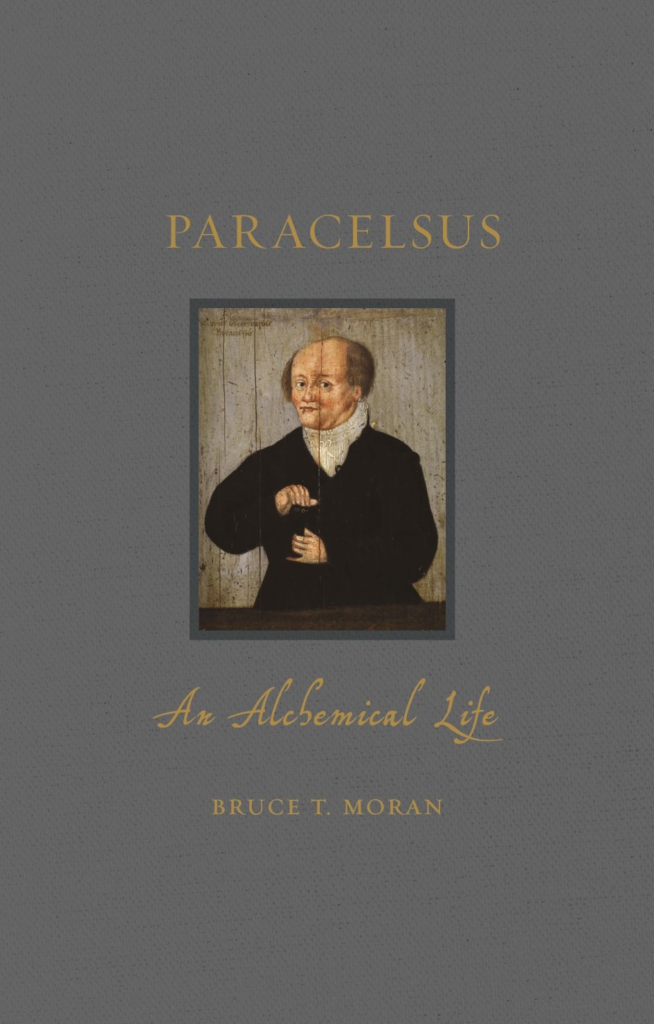
  4. Famous Alchemists: Notable alchemists of the era include Ramon Llull, whose mystical philosophy influenced alchemical thought, and Paracelsus, renowned for his medical contributions and holistic approach to healing.
  5. Legacy and Transformation: While alchemy did not lead to the discovery of the philosopher’s stone, it laid the groundwork for modern chemistry. Alchemical texts also contain valuable allegorical and symbolic insights into the human quest for knowledge and transformation.

Medieval alchemy, with its blend of science, spirituality, and symbolism, offers a fascinating window into the intellectual pursuits and mystical beliefs of the time, leaving behind a legacy that continues to captivate and inspire.
Related Posts

The Beothuk People: Tragic Tale of Cultural Extinction in Newfoundland, Canada

The history of indigenous peoples is often marked by resilience and struggle. The Beothuk people, the original inhabitants of Newfoundland, Canada, faced an unfortunate fate as they battled…

The Donner Party: The ill-fated journey of the Donner Party in 1846-1847, a group of pioneers stranded in the Sierra Nevada mountains who resorted to cannibalism to survive

In the annals of American history, few stories capture the human spirit’s endurance and the depths of desperation as profoundly as the ill-fated journey of the Donner Party…

The Ghost Town of Pripyat: Uncover the haunting legacy of Pripyat, the abandoned city near the Chernobyl Nuclear Power Plant, evacuated after the 1986 nuclear disaster

In the heart of Ukraine lies a place frozen in time, where the echoes of past life linger amongst overgrown streets and decaying buildings. Pripyat, once a bustling…

The Eruption of Mount Tambora: The catastrophic eruption of Mount Tambora in 1815, the most powerful volcanic eruption in recorded history, which caused the “Year Without a Summer”

In the annals of recorded history, one volcanic eruption stands above them all in terms of sheer devastation and global impact: the eruption of Mount Tambora in 1815….

The Spanish Influenza in the Pacific: Unveiling the Global Reach of the 1918 Pandemic

In the tumultuous year of 1918, a devastating global pandemic known as the Spanish Influenza swept across the world, leaving no region untouched. Often overlooked are the remote…

The Madagascar Plan: Nazi Germany’s Controversial Proposal for Jewish Relocation

During World War II, Nazi Germany devised a plan to address what they perceived as the “Jewish problem” through mass deportation. The Madagascar Plan, proposed in the 1930s,…

Leave a Reply

Your email address will not be published. Required fields are marked *