Medieval Europe was a hotbed of alchemical experimentation, where scholars sought the philosopher’s stone, a mythical substance believed to transmute base metals into gold and grant eternal life. Here are some insights into the enigmatic world of medieval alchemy.
- Origins and Influences: Alchemy had roots in ancient Egypt, Greece, and the Islamic world. Medieval European alchemists drew upon these traditions, blending them with Christian symbolism and esoteric knowledge.
- Goals and Symbolism: Alchemists pursued both spiritual and material goals. Alongside the transmutation of metals, they aimed to achieve spiritual purification and transcendence. Symbolism played a crucial role in their writings and experiments.
- Experimental Practices: Alchemists conducted intricate laboratory experiments, involving distillation, sublimation, and the use of various apparatus. These practices often yielded valuable discoveries in the fields of chemistry and medicine.
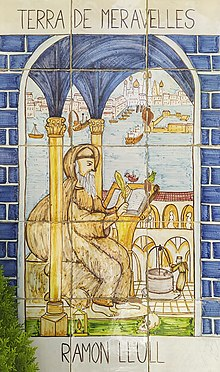
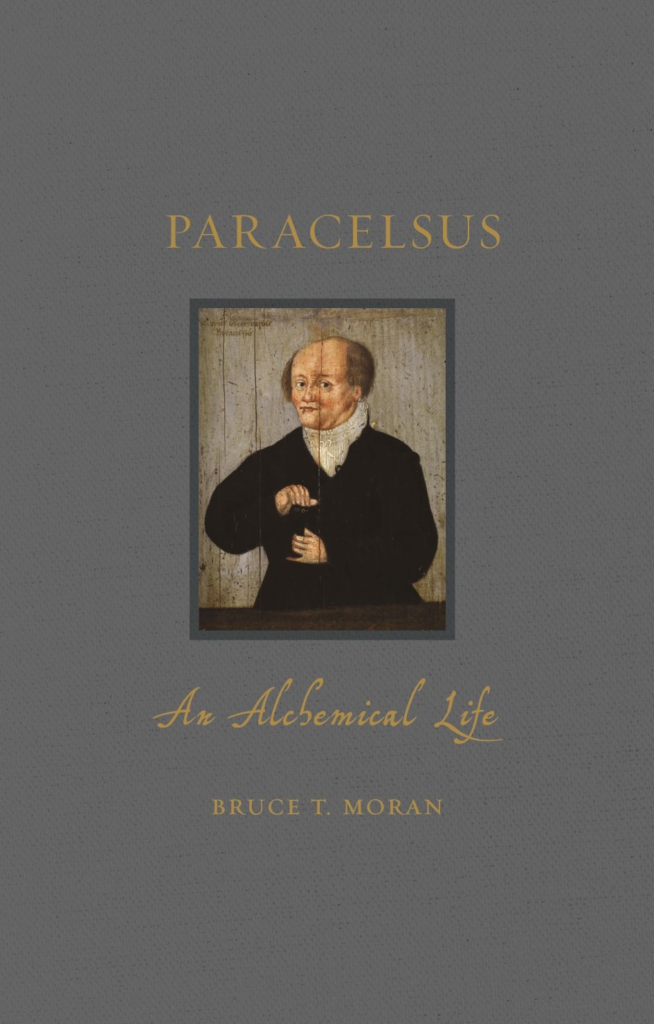
- Famous Alchemists: Notable alchemists of the era include Ramon Llull, whose mystical philosophy influenced alchemical thought, and Paracelsus, renowned for his medical contributions and holistic approach to healing.
- Legacy and Transformation: While alchemy did not lead to the discovery of the philosopher’s stone, it laid the groundwork for modern chemistry. Alchemical texts also contain valuable allegorical and symbolic insights into the human quest for knowledge and transformation.
Medieval alchemy, with its blend of science, spirituality, and symbolism, offers a fascinating window into the intellectual pursuits and mystical beliefs of the time, leaving behind a legacy that continues to captivate and inspire.